

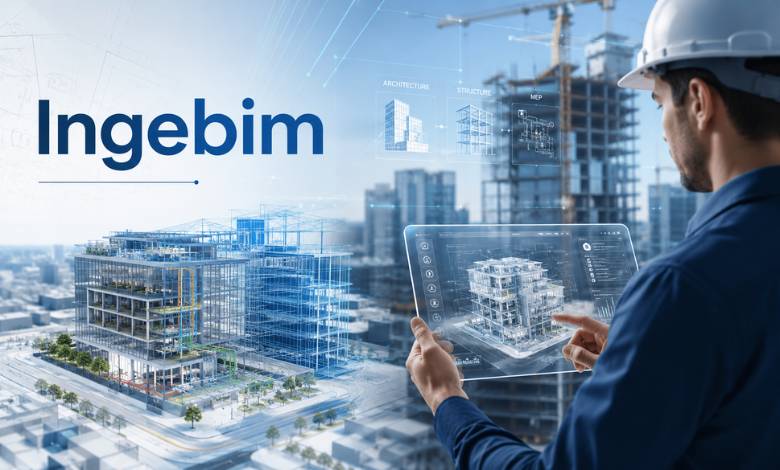
Ingebim is connected with BIM, engineering, and digital construction. The term may sound new to many readers, especially those who are not from the architecture, engineering, or construction industry.
In simple words, Ingebim relates to smart digital methods that help teams design, plan, build, and manage projects with better information. This guide explains what Ingebim means, how it connects with Building Information Modeling, what services are linked with it, and why it matters in modern construction.
Don’t Miss This: What is Simbramento? A Simple Explanation, Uses, and Online Trend
Featured Snippet Answer
Ingebim refers to BIM-focused engineering and digital construction solutions. It is linked with Building Information Modeling, 3D modeling, coordination, digital twins, and project data management. These tools help architects, engineers, and construction teams plan better, reduce mistakes, and manage buildings or infrastructure more efficiently.
What Is Ingebim?
Ingebim can be understood as a BIM-based approach to engineering and construction. It uses digital models, structured project data, and smart workflows to support better planning and coordination.
The word is closely connected with Building Information Modeling. Instead of working only with simple drawings, teams can use digital models that include useful details about design, materials, systems, schedules, and project information.
For a beginner, you can think of Ingebim as a smarter way to manage construction data. It helps turn scattered information into clear, useful, and visual models that different teams can understand.
What Does BIM Mean?
BIM stands for Building Information Modeling. It is a digital process used to create and manage information about a building, road, bridge, or other built asset.
BIM is more than a 3D design. A 3D model may show how a building looks, but a BIM model can also include information about walls, doors, pipes, materials, costs, timelines, and maintenance needs.
For example, imagine a digital building model. You can see the rooms, floors, structure, electrical systems, and plumbing layout. At the same time, the model may store useful details about each part of the project. That is what makes BIM modeling powerful.
Why Is Ingebim Important in Construction?
Ingebim is important because construction projects often involve many people. Architects, engineers, contractors, project managers, and owners all need clear information. Without good coordination, mistakes can happen easily.
With a BIM-based process, teams can work from the same digital model. This improves communication and reduces confusion. Everyone can see the project more clearly before work begins on site.
It also helps reduce design conflicts. For example, a pipe may pass through a beam in a traditional drawing process. BIM coordination can help find this issue early, before it becomes an expensive site problem.
Ingebim-style workflows also support better planning, cost control, and project coordination. They help teams make smarter decisions during design, construction, and long-term building management.
Main Services Linked With Ingebim
BIM Modeling
BIM modeling is one of the main services linked with Ingebim. It means creating smart 3D models for buildings, roads, bridges, railways, and other infrastructure projects.
These models may include architectural models, structural models, and MEP models. MEP stands for mechanical, electrical, and plumbing systems. When these models are created properly, teams can understand the project before real construction starts.
BIM Coordination
BIM coordination helps different project teams work together. It checks whether architectural, structural, and MEP systems fit correctly in the same space.
This process is useful for clash detection. For example, it can show if an air duct is crossing through a wall, beam, or pipe. Finding these problems early can save time, money, and stress during construction.
Digital Twins
A digital twin is a smart digital copy of a real building, facility, or infrastructure asset. It can help owners and managers understand how the asset works after construction.
Digital twins are useful for facility management, maintenance, inspections, and long-term planning. They can support better decisions because the digital model keeps important asset information in one place.
BIM Implementation
BIM implementation means helping companies use BIM properly. It can include workflow setup, BIM standards, software processes, training, project templates, and team support.
This service is important because BIM is not just software. It is also a process. A company needs clear rules, skilled people, and strong communication to get good results from BIM workflows.
Don’t Miss This: What Is Sodiceram? Uses, Benefits, Features, and Buying Guide
How Ingebim Helps Different Professionals
Architects
Architects can use Ingebim to improve design visualization. A clear model helps them show clients how a project may look and function.
It also improves communication with engineers. When everyone works with the same model, design changes are easier to understand and manage.
Engineers
Engineers can use BIM models to create more accurate technical information. Structural, mechanical, electrical, and plumbing systems can be planned with better detail.
This improves coordination between technical systems. It also helps engineers detect errors before they affect the project site.
Contractors
Contractors can use Ingebim to plan construction work more clearly. A coordinated model helps them understand the sequence of work before teams arrive on site.
This can reduce on-site mistakes. It also helps with material planning, time management, and communication between site teams.
Building Owners
Building owners can use BIM data after construction is finished. The model can support maintenance, repairs, asset tracking, and future upgrades.
This creates long-term value. Instead of losing project information in separate files, owners can keep useful project data in a more organized format.
Benefits of Ingebim
| Benefit | Simple Explanation |
|---|---|
| Better planning | Teams can see problems before construction starts |
| Fewer mistakes | Clash detection reduces design and coordination errors |
| Better teamwork | Everyone works with shared project data |
| Cost control | Clear models help reduce waste and rework |
| Long-term value | Digital records support future maintenance |
Ingebim can make construction projects more organized. It gives teams a clearer view of the project, from early design to final handover.
It also supports better project lifecycle management. This means the information created during design and construction can still be useful during operation, maintenance, and renovation.
Ingebim vs Traditional Construction Planning
Traditional construction planning often depends on separate drawings, documents, emails, and spreadsheets. This can make it hard for teams to find the latest information.
Ingebim-style planning connects design, data, and coordination in a more structured way. Instead of looking at many disconnected files, teams can work with a shared digital environment.
This does not mean traditional drawings are useless. Many projects still use them. However, BIM adds more intelligence to the process by connecting drawings with data, systems, schedules, and asset details.
Common Tools Used in BIM Work
Many BIM projects use professional design and coordination tools. Common examples include Revit, Navisworks, Civil 3D, AutoCAD, BIM 360, and digital twin platforms.
These tools help teams create models, review designs, detect clashes, manage project files, and share information. The best tool depends on the project type, team size, and required deliverables.
For example, a building project may use Revit for architectural and MEP modeling. A road or infrastructure project may use Civil 3D. A coordination team may use Navisworks for clash detection and model review.
Real-World Uses of Ingebim
Ingebim can be useful in many types of construction and engineering projects. It can support building design, road projects, railway work, bridges, and other infrastructure.
It is also helpful for MEP coordination, renovation projects, restoration work, and facility management. In each case, the goal is the same: better information, better planning, and fewer avoidable mistakes.
For renovation projects, BIM can help teams understand existing conditions before making changes. For facility management, it can help owners track building systems and maintenance needs over time.
Challenges of Using Ingebim
Ingebim and BIM workflows offer many benefits, but they also come with challenges. Teams may need training before they can use BIM tools properly.
BIM software can also be complex. If a team does not follow clear standards, the model may become confusing or inaccurate.
Poor data quality can reduce the value of BIM. A model is only useful when the information inside it is correct, updated, and organized.
Good communication is still important. BIM can improve teamwork, but it cannot replace professional judgment, site experience, and clear project management.
Don’t Miss This: What Is StealthGram? Simple Guide, Features, Safety, and Alternatives
Future of Ingebim and BIM
BIM is becoming more important in smart construction. Many companies now want better digital workflows because projects are becoming larger, faster, and more complex.
The future of Ingebim is closely linked with digital twins, automation, cloud collaboration, artificial intelligence, and data-driven planning. These technologies can help construction teams make faster and better decisions.
More companies may use BIM-based solutions to save time, reduce errors, and manage assets more efficiently. As the construction industry becomes more digital, Ingebim-style services will likely play a stronger role in modern engineering.
FAQs About Ingebim
What is Ingebim used for?
Ingebim is used for BIM modeling, project coordination, digital twins, and digital engineering support in construction and infrastructure projects.
Is Ingebim the same as BIM?
Ingebim is closely connected with BIM, but it is not exactly the same as the general BIM concept.
Who uses Ingebim?
Architects, engineers, contractors, project managers, and building owners can use Ingebim-related services.
Why is BIM important in construction?
BIM is important because it helps teams create smarter digital models, find problems early, improve teamwork, and manage project information more clearly.
Can Ingebim reduce construction mistakes?
Yes, BIM-based workflows can help reduce construction mistakes.
Conclusion
Ingebim is linked with BIM, engineering, and digital construction. It helps teams use smart digital models, structured data, and better coordination to manage projects more clearly.
Its main value comes from better planning, fewer errors, improved teamwork, and long-term project information. From architects and engineers to contractors and building owners, many professionals can benefit from Ingebim-style BIM workflows.
As construction becomes more digital, Ingebim will continue to matter. It supports a future where projects are more accurate, organized, and easier to manage from design to operation.

1 Comment
Pingback: What Is Acryldach? A Simple Guide to Acrylic Roof Panels