

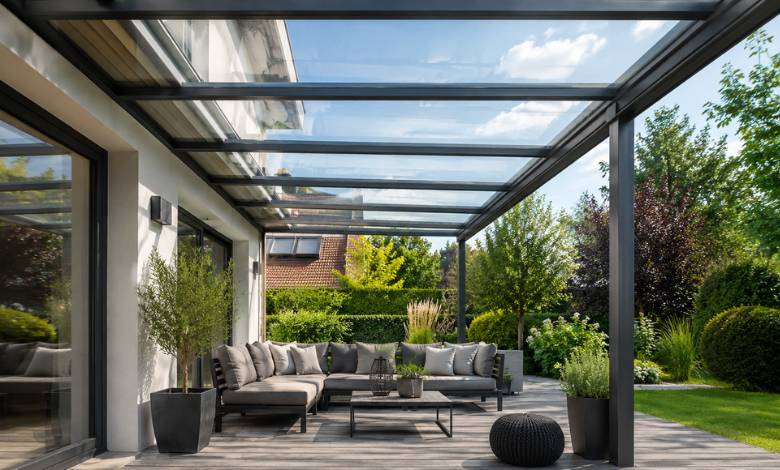
An Acryldach is an acrylic roof, also called an acrylic glass roof. In simple English, it is a roof made from clear or tinted acrylic plastic panels. These panels let natural light pass through while protecting the space below from rain, sun, and normal outdoor weather.
You often see an Acryldach on patios, carports, terraces, balconies, garden covers, pergolas, and walkways. It is popular because it gives an outdoor area a bright, open, and modern look. Instead of blocking daylight like a solid roof, acrylic roof panels help keep the space light and useful.
For many homeowners, an Acryldach is a practical middle option between glass roofing and polycarbonate roofing. It looks clean like glass, weighs less than glass, and can work well for many outdoor roof cover projects when installed correctly.
Don’t Miss This: What Is Ingebim? A Simple Guide to BIM and Digital Construction
What Is an Acryldach?
An Acryldach is a roof made with acrylic sheets or acrylic glass panels. Acrylic is a strong plastic material that can look similar to glass. It is clear, smooth, and often used when people want a modern roof that allows light transmission.
The material is also known as PMMA, which stands for polymethyl methacrylate. You do not need to remember the technical name. For most homeowners, it simply means a clear plastic roof sheet that can be used for outdoor covering.
Acrylic roof panels come in different forms. Some are flat sheets with a smooth surface. Some are corrugated sheets with a wave shape that helps with strength and drainage. You may also find multi-wall sheets, which have internal layers that add structure and insulation.
The right panel type depends on your roof design, budget, climate, and the look you want. A simple patio roof may use clear corrugated panels, while a more premium terrace cover may use thicker flat acrylic sheets.
Where Can You Use an Acryldach?
An Acryldach can be used in many outdoor areas where you want shelter without losing daylight. It is common for patio roofing because it keeps the seating area bright and open. You can enjoy the outdoor space even when the weather changes.
It is also useful for carport roofing. A clear or tinted acrylic roof can protect a car from rain and sunlight while keeping the parking area from feeling dark. Many homeowners also use acrylic panels for balcony covers, especially when they want protection without making the balcony feel closed.
Garden shelters are another common use. Acrylic roof sheets can cover small garden seating areas, tool spaces, or plant zones. They also work well with pergolas because the panels can sit on top of wood, steel, or aluminum frames.
You can use an Acryldach for walkway covers, greenhouse-style covers, and terrace roofs. In each case, the goal is similar: create weather protection while keeping the space bright, clean, and visually open.
Main Benefits of an Acryldach
An Acryldach has several advantages for homeowners, property owners, and small commercial spaces. Its main value comes from its balance of beauty, light, and practical outdoor use.
It Allows Natural Light
One of the biggest benefits of an Acryldach is natural light. Clear acrylic roof panels allow daylight to pass through, so the area below does not feel dark or boxed in. This is very helpful for patios, balconies, and garden spaces.
A solid roof can make an outdoor area feel heavy. Acrylic panels keep the space bright and comfortable. If you want shade but still want sunlight, you can choose tinted or frosted panels instead of fully clear ones.
It Looks Modern and Clean
An Acryldach has a smooth, glass-like appearance. This makes it a good choice for modern homes, garden rooms, carports, and terrace covers. It can make a simple outdoor area look more finished.
Acrylic roof panels also match many frame materials. They work well with wood for a warm look. They also look good with steel or aluminum for a cleaner and more modern style. This makes acrylic roofing flexible for different home designs.
It Is Lighter Than Glass
Acrylic is lighter than glass, which makes it easier to handle during installation. This can help reduce pressure on the support structure, especially for patios, balconies, and pergolas.
Because it is lighter, acrylic can be a practical option for roof covers where heavy glass may not be suitable. Still, the frame must be strong enough and designed properly. A lightweight roof still needs safe support.
It Can Resist Weather
Quality acrylic roof panels can handle normal outdoor conditions such as sun, rain, and changing temperatures. Good panels are often made with UV protection, which helps protect the material from sunlight damage.
This does not mean every acrylic sheet is suitable for roofing. You should always choose panels made for outdoor use. Cheap indoor plastic sheets may not perform well outside and may become dull, weak, or damaged faster.
It Is Available in Different Styles
Another benefit of an Acryldach is style choice. Clear panels are best when you want maximum daylight. Frosted panels are useful when you want softer light and more privacy.
Tinted panels can reduce glare and heat from direct sunlight. Corrugated panels are popular for simple outdoor roofs because their shape adds strength and helps rainwater move down the roof. This variety makes it easier to match the roof to your home and needs.
Possible Drawbacks of an Acryldach
An Acryldach has many benefits, but it is not perfect for every project. One common drawback is scratching. Acrylic can scratch more easily than glass, especially if you clean it with rough brushes or harsh tools.
Low-quality acrylic panels may also become dull over time. This can happen faster if the panels do not have proper UV protection. That is why it is important to choose outdoor-grade acrylic roof sheets from a trusted supplier.
Acrylic can also expand and contract when temperatures change. This is normal for many plastic materials. During installation, the panels need enough space to move slightly. If they are fixed too tightly, they may crack, bend, or make noise.
Poor installation can also cause leaks. A roof needs the right slope, screws, seals, and drainage. If water sits on the panels or enters through screw holes, the roof may fail sooner.
An Acryldach may not be the best choice for high-impact areas. If the roof could face falling branches, heavy hail, or strong physical impact, polycarbonate may be a better option because it is known for higher impact resistance.
Don’t Miss This: What is Simbramento? A Simple Explanation, Uses, and Online Trend
Acryldach vs Glass Roof vs Polycarbonate Roof
When choosing a clear roof cover, many people compare acrylic, glass, and polycarbonate. Each material has its own strengths.
An acrylic roof is clear, stylish, and light. It gives a clean glass-like look without the heavy weight of real glass. It is a good choice for patios, terraces, balconies, and garden covers where appearance and daylight matter.
A glass roof looks premium and feels solid. It is strong, elegant, and long-lasting when installed correctly. However, glass is heavier and usually more expensive. It also needs a stronger support structure.
A polycarbonate roof is very practical. It is known for high impact resistance, which makes it useful in areas where strength matters more than a glass-like finish. Polycarbonate panels are often used for carports, greenhouses, and utility roofing.
In simple terms, acrylic is a good option when you want a bright and stylish roof. Glass is best when you want a premium finish and have the budget for it. Polycarbonate is best when you need extra strength and impact resistance.
How Much Does an Acryldach Cost?
The cost of an Acryldach depends on many factors. The first factor is roof size. A larger roof needs more acrylic panels, more framing, more screws, more sealing parts, and more labor.
Panel thickness also affects price. Thicker acrylic sheets usually cost more, but they may offer better strength and stability. The panel type matters too. Flat sheets, corrugated panels, and multi-wall panels can all have different prices.
The frame material also changes the total cost. Wood may be cheaper in some areas, while aluminum or steel may cost more but offer a cleaner or stronger finish. Installation labor is another important factor, especially if the roof needs custom cutting or a complex frame.
Extra drainage or gutter work can also add cost. A good roof needs proper water flow. Without gutters or enough slope, rainwater may cause problems later.
Because prices vary by location and project size, you should always ask a local contractor for an exact quote. A site visit is usually the best way to get a real price.
How to Choose the Right Acrylic Roof Panels
Choosing the right acrylic roof panels is important. Do not select panels based on price only. Cheap panels may save money at first but can cause problems later.
Start with thickness. A small garden cover may not need the same thickness as a large terrace roof. The bigger the roof area, the more important panel strength becomes.
Next, choose the panel finish. Clear panels are best when you want full daylight. Tinted panels help reduce glare. Frosted panels are useful if you want privacy or softer light.
You should also check UV protection. Outdoor acrylic panels should be made to resist sunlight. This helps reduce yellowing, dullness, and surface damage over time.
Choose panels designed for outdoor roofing, not basic indoor plastic sheets. Also, make sure your roof structure has proper slope and drainage. Even the best panels can fail if water cannot run off correctly.
Installation Tips for an Acryldach
A good Acryldach starts with a strong frame. The frame must support the panels safely and handle wind, rain, and normal outdoor use. Wood, steel, and aluminum frames can all work if they are designed properly.
You should leave space for expansion. Acrylic panels move slightly with temperature changes. If screws are too tight or holes are too small, the panels may crack or bend.
Use proper screws, washers, and sealing parts. These small details matter because they help prevent leaks. The roof also needs enough slope so rainwater can flow away instead of sitting on the panels.
Avoid overtightening the panels. Tight screws may seem safer, but they can damage acrylic sheets. The panels should be secure, but not crushed.
For small covers, some skilled homeowners may handle the installation themselves. For large patio roofs, carports, or terrace covers, it is better to hire a professional. A trained installer can plan the slope, drainage, expansion gaps, and sealing more safely.
How to Clean and Maintain an Acryldach
An Acryldach is not hard to maintain, but it needs gentle cleaning. Wash the panels with mild soap and water. Use a soft cloth or sponge to remove dirt, dust, and light stains.
Do not use rough brushes, metal tools, or abrasive pads. These can scratch the surface. You should also avoid harsh chemical cleaners because they may damage the acrylic or make the panels look cloudy.
Remove leaves and dirt from gutters and roof edges. If debris builds up, rainwater may not drain properly. This can create leaks or extra pressure on the roof.
Check the screws, seals, and joints once or twice a year. Look for loose parts, cracked seals, or areas where water may enter. Small maintenance checks can help prevent bigger repairs later.
If the roof is high or hard to reach, do not take risks. Ask a professional cleaner or installer to inspect it safely.
Don’t Miss This: What Is Sodiceram? Uses, Benefits, Features, and Buying Guide
Is an Acryldach Worth It?
An Acryldach is worth it if you want a bright, modern, and lightweight roof cover. It is especially useful for patios, terraces, balconies, carports, garden shelters, and pergolas.
It works best when you choose quality acrylic panels and install them correctly. A strong frame, proper slope, UV protection, and good sealing make a big difference in performance.
Before buying, homeowners should compare acrylic, glass, and polycarbonate. Acrylic is stylish and light. Glass is premium and heavy. Polycarbonate is highly impact-resistant and practical. The best choice depends on your space, budget, weather, and design goals.
FAQs About Acryldach
What does Acryldach mean?
Acryldach means acrylic roof. It is a roof made from acrylic glass panels or acrylic plastic sheets.
Is an Acryldach better than glass?
An Acryldach can be better than glass if you want a lighter and easier-to-handle roof material.
Does an acrylic roof turn yellow?
A quality acrylic roof with UV protection is less likely to turn yellow quickly. Low-quality panels without outdoor protection may become dull, cloudy, or yellow over time.
Can I install an Acryldach myself?
You may install a small Acryldach yourself if you have the right tools and basic building skills.
How do you clean acrylic roof panels?
Clean acrylic roof panels with mild soap, clean water, and a soft cloth or sponge.
Conclusion
An Acryldach is a practical roof solution for bright outdoor spaces. It gives you weather protection while still allowing natural light to enter the area. This makes it a strong choice for patios, carports, balconies, terraces, pergolas, and garden covers.
The best results come from good planning. Choose quality acrylic roof panels, check UV protection, use the right thickness, and make sure the roof has proper drainage. For large or complex projects, expert installation can help prevent leaks, cracks, and long-term problems.
If you want a clean, modern, and lightweight roof cover, an Acryldach can be a smart choice. Just compare it with glass and polycarbonate first so you can choose the best material for your home.

1 Comment
Pingback: What is Woeken? Meaning Origin, Uses, and Why This Word Is Getting Attention